
How much snack is Enough?
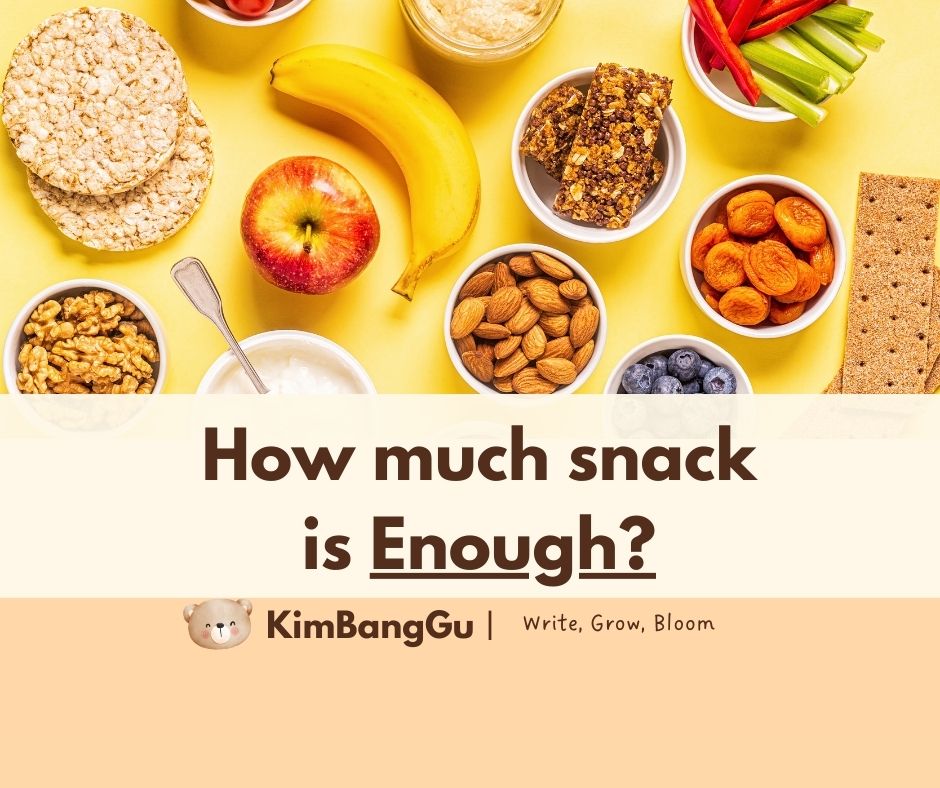
“How Much Is Enough?”
A Simple Snack Box Guide for Winter Kids (Without Calorie Math)
Most moms aren’t secretly dreaming of counting calories.
They just want to know:
-
“How much is enough?”
-
“Will this ruin dinner?”
-
“What actually makes a snack good for kids?”
The good news: you don’t need a food scale or an app.
You can build a smart winter snack box with 3 ideas:
age + timing + your child’s hand size.
Let’s break it down.
1. How big should a snack be?
For healthy kids (no special medical needs), many pediatric nutrition guidelines land around:
-
4–7 years
→ about 100–150 calories per snack
→ feels like: 1 small fruit + 1 crunchy thing -
8–12 years
→ about 150–250 calories per snack
→ feels like: a small snack box (2–3 items: fruit, crunchy, protein)
Instead of giving moms more numbers, I like this sentence better:
“It’s a snack, not a 4th meal.”
Enough to hold them for 2–3 hours, not to fill them completely.
If they finish the snack box and still have plenty of room for dinner later,
you’re in a good zone.
2. The easiest portion rule: use your child’s hand 🖐
Children’s hands grow with them—
so they’re actually a nice, built-in “portion tool.”
You can literally write this on a KimBangGu notebook page:
“One snack box = about 3 child-sized handfuls.”
For example:
-
Crispy
(crackers, popcorn, veggie sticks, corn chips)
→ 1 child handful -
Fruit / Veg
(apple slices, grapes, peppers, cucumbers, carrots)
→ 1 child handful / fist -
Protein / Healthy fat
(cheese, chickpeas, yogurt, nuts, egg, tofu, meat roll-ups)
→ ½–1 child handful
(nuts closer to ½, especially for younger kids)
So your Anti-Freeze Snack Box might be:
1 crispy + 1 chewy + 1 protein
all together about 3 kid-handfuls.
That’s usually enough for an after-school winter snack that:
-
doesn’t kill dinner
-
but stops the “I’m frozen, starving, and melting down” moment.
3. What makes a snack actually “good” for kids?
You don’t have to chase perfect superfoods.
You mostly want to avoid the sugar roller coaster:
-
All sugar / refined carb → fast spike, fast crash → grumpy & tired.
Instead, think in this super simple formula:
Carb + Protein or Fat + (ideally) Fiber
-
Carbs = fruit, crackers, bread, rice, granola, popcorn, tortillas
-
Protein / fat = cheese, yogurt, eggs, chickpeas, nuts, meat, tofu
-
Fiber = fruit, vegetables, whole grains, beans
Examples:
-
Apple slices (carb + fiber) + cheese cubes (protein/fat)
-
Whole-grain crackers (carb + some fiber) + hummus (protein/fat)
-
Popcorn (carb + fiber) + roasted chickpeas (protein/fiber)
KBG way to say it:
“We want snacks that help their brain stay steady,
not make it sprint and fall over.”
4. What about sugar?
Most pediatric and WHO guidelines say:
-
Added sugar (candy, soda, sweetened yogurt, cookies, syrup, etc.)
should be a small part of the day, not the main fuel—
ideally less than 10% of total daily calories for kids.
For your Anti-Freeze Snack Box, you can teach this simple rule:
“One sweet compartment, the rest steady-energy compartments.”
So:
-
✅ Yes to:
-
a few dark chocolate chips
-
a couple gummies
-
a mini cookie
-
-
but balance with:
-
crispy: popcorn / crackers / veggie sticks
-
chewy: dried fruit / oat bites / soft fruit
-
protein: cheese / chickpeas / yogurt / egg / nuts
-
Kids still get the fun,
but their brain and mood get the fuel.
5. Simple sentences moms can remember
These are “put it on a card” lines you can drop into an infographic or your KBG blog:
-
“One snack box is usually enough when it fits into about three child-sized handfuls.”
-
“A snack should be a small bridge between meals—not a full extra meal.”
-
“Try to include one crispy, one chewy, and one protein in each snack box.”
-
“Keep the ‘fun sugar’ to one small section, and fill the rest with foods that give steady energy.”
-
“Kids’ bodies love rhythm. Snacks at similar times and similar sizes each day help their mood and focus.”
You don’t have to get it perfect.
Even slowly upgrading snacks—from all-sugar to carb+protein+fiber—
is already a quiet gift to their future brain and body.
6. Gentle reminder
This is general guidance for typically developing kids.
If your child has:
-
diabetes
-
food allergies
-
growth concerns
-
or any medical condition
always check with your pediatrician or a pediatric dietitian before making big changes.
Sources (Mom-Friendly Science Corner)
-
American Academy of Pediatrics & pediatric nutrition texts on snack frequency and portion ranges for children.
-
Research and reviews on how added sugar and refined carbs affect kids’ mood, attention, and energy (blood sugar “spike and crash” patterns).
-
WHO guideline: limiting added/free sugars to less than 10% of total energy intake for children and adults.
-
General pediatric dietetics resources recommending patterns that combine carbohydrates, protein, and fiber to support satiety and blood sugar stability.